

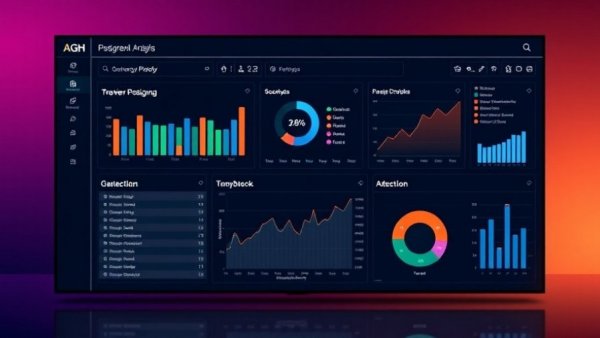
AI Set to Revolutionize Incident Management in Software
In an era where software development evolves at an unprecedented pace, the way we manage software operations must keep up. Resolve AI has recently launched its SRE-1 model and Primary On-call service, designed to automate and streamline the root cause identification of production alerts. This innovative approach marks a pivotal shift in the operational landscape, helping organizations mitigate issues faster and more accurately than traditional methods.
Understanding the Importance of AI in Production Operations
The software development lifecycle has advanced dramatically, yet operational management remains relatively antiquated. As noted by Resolve AI's Chief Executive, Spiros Xanthos, "No engineering team can keep up with how fast code and patches land in production." In this context, SRE-1, a 27 billion-parameter model, is a game-changer. With a striking jump in accuracy—from 6.9% to 38.8% in root cause identification—SRE-1 provides a robust solution to a longstanding problem.
Real-World Impact: What Early Adopters Are Saying
Salesforce's Experience: Salesforce Inc. is among the initial users of the SRE-1 model. The CRM analytics team reported that they now experience over 70% of alerts being addressed by AI agents without causing unnecessary interruptions for their engineers. Such outcomes not only enhance productivity but also serve as a compelling proof point for other organizations considering similar solutions.
What Sets SRE-1 Apart from Traditional Solutions?
Unlike traditional incident management tools, which often require significant human intervention, SRE-1 effectively closes alerts or escalates them based on a thorough investigation of telemetry and infrastructure data. Additionally, it monitors resolved issues, ensuring that fixes remain effective during production. This comprehensive methodology reduces the noise associated with false alerts, ultimately improving the mean time to resolution by tenfold across various organizations.
Considerations for Decision-Makers: How to Leverage AI Effectively
Leaders in technology and operations must evaluate the readiness of their existing systems for AI integration. While the promise of SRE-1 is significant, successful implementation hinges on organizational adaptability and system readiness. For those still uncertain about fully adopting AI for incident management, Resolve AI offers a shadow mode, allowing organizations to understand AI decisions without relinquishing control, paving the way for a gradual transition.
Future Trends: The Growing Role of AI in Operational Efficiency
As we look forward, the trajectory for AI in software operations appears expansive. With companies like Resolve AI leading the charge, expect more automation in operational processes. The enhanced accuracy in incident management not only results in quicker resolutions but also ultimately contributes to increased customer satisfaction—a key focus for businesses across industries.
Organizations that embrace these innovations will not only create more efficient processes but will also gain competitive advantages in their respective markets.




Write A Comment