

Improving Weather Forecasts: A Collaborative Step Forward
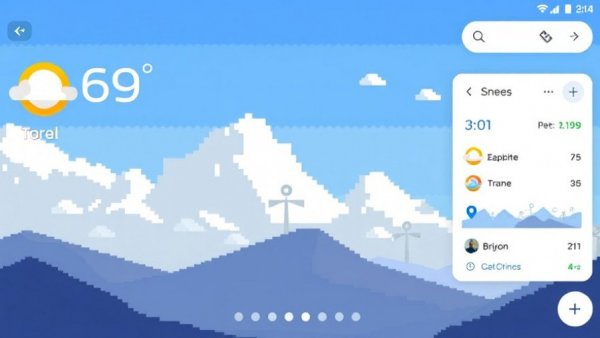
The recent update to Google’s Pixel Weather app has introduced a game-changer: the ability for users to report their local weather conditions. This new feature, described as a “Report current weather” card, empowers users to report discrepancies between their actual experience and the app's forecast. Google intends to use this feedback to enhance the accuracy of future forecasts, which many have criticized as unreliable.
Harnessing User Insights for Enhanced Accuracy
Traditionally, weather apps have relied on algorithms and models that can fall short of capturing micro-weather phenomena. Users can now tap into the app, indicate whether the temperature feels accurate or not, and document conditions such as rain, thunderstorms, or clear skies. This initiative signifies a shift away from solely algorithmic predictions to a more nuanced, human-centered approach that may improve forecast credibility.
The Importance of User Reporting in Weather Forecasting
Weather forecasting has long struggled with accuracy, partly because automated systems lack the intuitive understanding that human observers can provide. With budget cuts at organizations like NOAA recently affecting data collection, Google’s strategy to engage users directly may help bridge the gap. This is crucial, as accuracy can significantly influence daily decision-making for businesses and individuals alike, from planning outdoor events to managing supply chains.
Comparative Features: How Pixel Weather Stands Against Competitors
Other weather apps, such as Apple Weather and Weather Underground, provide similar functionalities that allow users to report local conditions. Apple Weather’s capability has been refined over time, showcasing the industry’s recognition of the value of user insights. Meanwhile, Weather Underground utilizes data from a multitude of connected home weather stations, demonstrating a balance between user input and advanced technology.
Future Implications: The Path Ahead for Weather Technology
The integration of user-driven reporting is expected not only to enhance individual apps but also to shape future developments in weather technology. By fostering a community of engaged users, Google could lead the way in harnessing crowdsourced data while motivating other app developers to prioritize accuracy and user collaboration. As weather needs become increasingly critical across industries—implicating everything from agriculture to disaster management—this evolution in forecasting technology could prove transformative.
As strategies evolve, executives and management across sectors should consider how accurate weather information can yield optimal operations, whether it's in logistics, event planning, or resource allocation. This new reporting feature is not just an improvement in an app; it paves the way for a methodology that prioritizes real-world input—a substantial leap towards dependable forecasting.
If you’re interested in understanding how AI and user collaboration can reshape strategies in various industries, don’t hesitate to engage with our insights—connect with us for deeper discussions.




Write A Comment