

Revolutionizing Lab Operations: The Role of Agentic AI
In today's fast-paced biotechnology environment, efficiency is paramount. Natera, a trailblazer in cell-free DNA testing, recognized this necessity and innovated by designing SWARM (Systematic Workflow Analytics and Resolutions Manager), a groundbreaking agentic AI system. This system is specifically tailored for lab operations and is built on Amazon's Bedrock AgentCore, a versatile platform for developing and managing AI agents at scale. The implementation of SWARM highlights how AI can not only enhance operational efficiency but also integrate critical institutional knowledge within complex environments.
Challenges in Lab Environments
Maintaining the vast array of laboratory instruments is a task fraught with challenges. At Natera, downtime can delay patient testing outcomes, underscoring the importance of minimizing response times to equipment failures. Before SWARM's implementation, Natera faced a staggering backlog of over 65 support tickets daily and an average response time upwards of 17 hours. The departure of key technicians could all too easily lead to the loss of invaluable expertise. SWARM aims to mitigate these risks by providing engineers with instant access to critical knowledge, addressing operational bottlenecks effectively.
Building the Future: SWARM's Architecture
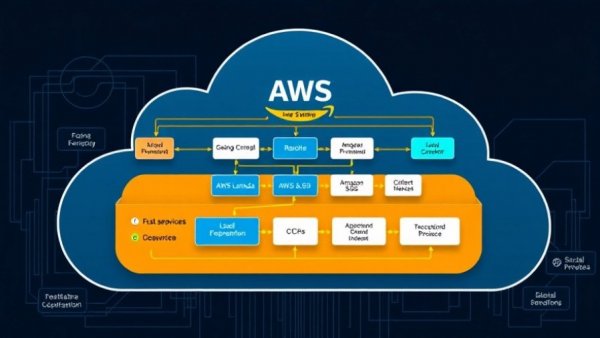
Natera's choice to harness Amazon Bedrock AgentCore was driven by the need for a managed runtime that would enable their engineers to concentrate on enhancing diagnostic precision rather than focusing on the underlying infrastructure. SWARM takes advantage of Amazon's native integrations, tapping into services like DynamoDB and Simple Queue Service to create a fluid ecosystem where diagnostics and resolutions flow seamlessly. The introduction of two complementary UX frameworks, swarm-agent and swarm-hive, empowers engineers, allowing them to conduct real-time interactions and troubleshooting while benefiting from a centralized knowledge repository.
Key Innovations Shaping the AI Landscape
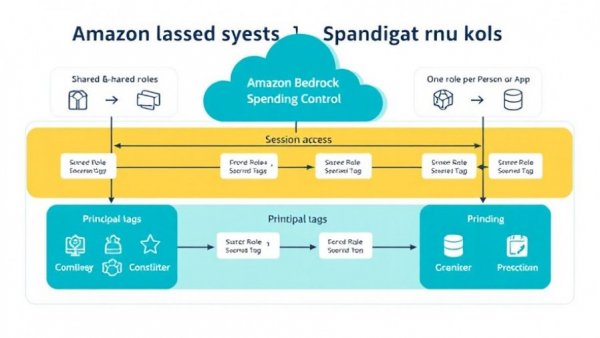
What sets SWARM apart is its keyless deployment model, making it uniquely suited for clinical environments that require stringent security protocols. By leveraging OpenID Connect and AWS Security Token Service, Natera ensures that no permanent credentials are ever exposed, significantly minimizing risks. This architecture allows for quick deployment and adaptability, positioning SWARM as a model for similar enterprises looking to enhance their lab operations with AI.
Actionable Insights for Leadership
CEOs, CMOs, and COOs must recognize the urgency of adopting innovative technologies like SWARM to stay competitive in the biotechnology sector. The implementation of advanced generative AI solutions can create immediate benefits through enhanced responsiveness, decreased instrument downtime, and a structured knowledge management system that captures expertise. By understanding the structural dynamics of organizational knowledge flow, leaders can leverage similar frameworks to transform their operations sustainably.
As new technologies emerge, companies must remain agile and future-focused, continually seeking opportunities to innovate operational processes. Engaging with AI not only results in improved business metrics but can also enhance workplace morale by empowering employees with greater access to information and resources.




Write A Comment