

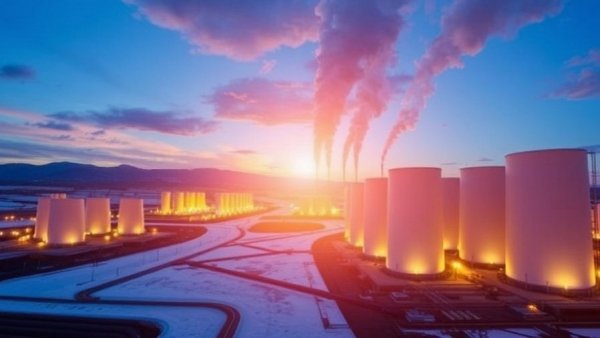
The Rise of Natural Gas in the Data Center Era
The intersection of artificial intelligence and data centers is influencing the energy landscape of the United States in unprecedented ways. In recent years, natural gas has emerged as a significant player in energy production, driven by a surge in electricity demand largely stemming from data center operations. This growing demand is not merely a trend; it reflects broader economic shifts and highlights the urgent need for decision-makers across industries to strategize around energy sourcing.
Understanding the Energy Shift: Data Centers as Key Players
The expansion of data centers is fundamentally reshaping how energy is consumed in the U.S. Traditionally, renewables like wind and solar were seen as the future; however, the immediate demands of data center operations have nudged utility providers to focus more on natural gas. For instance, the proposal for Meta's data center in Louisiana initially relied on three planned natural-gas plants, which swelled to ten amidst burgeoning energy needs.
The PJM Effect: A Catalyst for Natural Gas Adoption
The PJM Interconnection, which oversees a vast network of states, illustrates how regional demands can influence national energy strategies. As the number of natural gas projects seeking connections to the PJM grid has grown significantly — with nearly half of the accepted 715 proposals in 2025 being for natural gas — we are witnessing a potential shift from a 61% fossil-fuel composition to 67%. This trend prompts critical discussions about the implications for sustainable practices and greenhouse gas emissions.
Greenhouse-Gas Emissions: A Double-Edged Sword
While the need for immediate energy solutions is clear, the environmental impact cannot be overlooked. Major tech companies are grappling with rising greenhouse-gas emissions; for example, Meta reported a staggering 45% increase compared to the previous year. Such figures challenge organizations to balance operational demands with sustainability goals, increasing pressure to innovate in alternative energy sourcing and management.
Off-Grid Power Plants: The Next Frontier
As the pressure mounts to provide reliable energy with reduced wait times for grid connections, many data center developers are looking beyond traditional power procurement methods. With over 100 proposed off-grid facilities in the U.S. set to provide an astounding capacity of 115 gigawatts, the trend is clear: there is a shift toward self-sufficiency in power generation. This could very well redefine the industrial landscape, similar to how chemical and mining operations generate their own energy efficiently.
Looking Ahead: Opportunities for Sustainable Innovations
Given the realities of power demand, the opportunity for innovation is immense. While natural gas currently holds a commanding position, integrating more renewable energy solutions remains feasible. Technologies such as hybrid systems combining solar and wind with batteries offer long-term solutions to energy flexibility, helping to balance immediate needs with sustainability goals. For executives and decision-makers, the challenge lies in navigating these evolving landscapes to carve pathways for sustainable operational frameworks.
As we witness this transformation, it becomes evident that access to reliable energy sources, whether conventional or renewable, will shape the operational decisions of the future. Engaging with this shifting paradigm now is crucial for fostering resilient, forward-thinking strategies.
If you want to explore actionable insights and benchmark approaches for your organization amid these changes, consider discussing the opportunities for energy integration strategies in your operations.





Write A Comment