

Governance and Innovation: The BMW Approach to AI Management
With more than 12,500 developers contributing to around 500 million lines of software code, BMW Group's research and development (R&D) highlights the importance of effective governance in an era of rapid technological advancement. At the core of their operations lies the challenge of balancing the need for innovation with stringent governance compliance-an issue plaguing many organizations in the current digital landscape.
The Engine Behind Governance: A Systematic Architecture
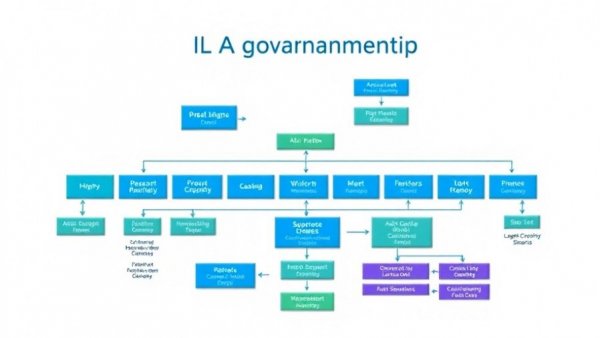
The burgeoning realm of agentic AI promises unparalleled efficiencies. BMW utilizes a robust architecture, termed the agent harness, to streamline operations. This framework is built on a foundational design that emphasizes composability, autonomy, and compliance, helping to ensure that agents perform optimally without compromising on safety and the regulatory standards incumbent in the automotive industry.
Proactive Governance: Designing for Compliance
BMW's governance practices demonstrate a forward-thinking strategy: instead of implementing governance retrospectively, it is embedded within the very fabric of the architectural design at the inception of the development process. The company employs a framework-agnostic approach that enforces rules such as authentication and content filtering externally from individual agents. By adopting a model context protocol (MCP) gateway, BMW has managed to centralize governance efforts, thereby ensuring that governance survives framework migrations and team reorganizations.
Evaluating Agent Output: Continuous Monitoring
BMW emphasizes the importance of continuous evaluation in the realm of agent performance. The complexity of modern applications necessitates effective monitoring that transcends traditional methods. BMW's approach focuses on observability—ensuring that outputs from agents are both policy-compliant and high quality. By leveraging comprehensive datasets informed by both common queries and edge cases, they can maintain an uncompromised quality assurance process throughout the software lifecycle.
Moving Towards Specialization in AI Agents
The architecture encourages specialization among agents, driving efficiency through focused capabilities. This specialization allows teams to evolve independently, such that updating one agent does not require overhauling the entire system. Each agent can be designed with a defined scope and purpose, minimizing the risk of cascading failures and allowing for more agile responses to market demands.
Unlocking Collaboration: The Centralized Registry
Collaboration and knowledge sharing across the enterprise is vital. BMW's centralized registry serves as a discovery mechanism, automating compliance checks while preventing redundant efforts across teams. This dynamic optimizes resource allocation and fosters a symbiotic environment where autonomous agents enhance operational efficiency without compromising on standards.
Conclusion: Paving the Way Forward in AI Governance
The takeaway from BMW’s approach is clear: building an effective software governance model is integral to harnessing the full potential of AI technology. As organizations move towards greater automation and AI-driven operations, adopting similar governance structures can empower teams to innovate while assuring compliance with necessary regulations. For leaders looking to replicate these strategies, a reliable start is utilizing frameworks like the AWS Well-Architected Framework to shape AI practices that align with business goals and transformation objectives.
For further insights and actionable strategies, connect with our specialized team by clicking here.




Write A Comment