

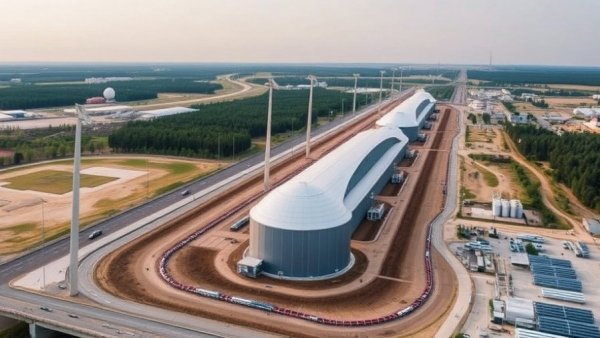
How BAAJA Aims to Transform U.S. Energy Infrastructure
The Bipartisan American Affordability and Jobs Act (BAAJA) represents a significant pivot in U.S. energy infrastructure policies, aiming to streamline permitting processes that have historically hindered energy project approvals. With a complex legislative framework, BAAJA seeks to cut through the bureaucratic red tape traditionally associated with major energy projects, potentially transforming the landscape of energy infrastructure across the nation.
The Bipartisan Nature of Energy Reform
One of the defining features of the BAAJA is its bipartisan sponsorship. The legislation is co-sponsored by two Republicans and two Democrats, reflecting a rare moment of consensus in U.S. politics. This collaboration underscores the urgent need for reform across the energy sector, as both parties recognize the benefits of accelerating project approvals to meet rising energy demands. The backing from the White House, further amplifies this point, highlighting the administration's intent to balance economic growth with environmental stewardship.
Environmental Considerations: A Double-Edged Sword
While the focus is on expediting project timelines, environmental groups have voiced concerns about potential compromises that could arise from the BAAJA. The legislation narrows what projects must undergo federal reviews, raising fears of increased environmental degradation. For instance, voices from organizations like the Natural Resources Defense Council argue that the new regulations could dangerously diminish protections for public and private lands. This sets up a critical debate about whether the push for faster energy solutions can coexist harmoniously with ecological preservation.
Economic Predictions and Emission Implications
Analysts are weighing in on how the BAAJA might impact U.S. emissions. The Rhodium Group suggests that in an optimal scenario, the act could potentially reduce overall emissions by 4% while adding 200 gigawatts of clean energy by 2040. This aligns with a broader narrative suggesting that renewables, particularly solar and wind, stand to gain significantly from easing permitting processes. However, skeptics caution that such a framework could inadvertently facilitate a surge in natural gas plants, complicating the U.S.'s commitment to greenhouse gas reduction.
The Future of Energy Infrastructure
In facing infrastructure challenges, the BAAJA signals a step toward adapting the U.S. energy grid to modern demands. However, the support of an array of stakeholders—from clean energy advocates to fossil fuel interests—highlights a complex balancing act. As data centers and other energy-intensive innovations emerge, the legislation may dictate not only the types of energy we rely on but also how quickly the U.S. can pivot to a greener economy. The choices made today will lay the groundwork for future energy discussions and policies.
Conclusion: A Call for Informed Participation
The implications of the Bipartisan American Affordability and Jobs Act extend beyond immediate infrastructure improvements. With this legislation moving forward, stakeholders across various sectors must engage in informed discussions about its potential impacts on the environment and economy. Executives and managers are encouraged to explore how these changes could directly affect their operations and strategic decisions. For further insights on adapting to emerging trends in energy and infrastructure, consider speaking with an expert. Connect to Learn More.





Write A Comment