

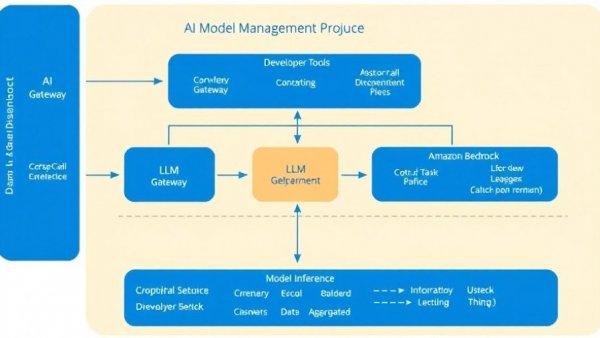
Leveraging Amazon Bedrock: Airbnb's Strategic Approach to AI Coding Agents
In the fast-evolving landscape of artificial intelligence, companies are rapidly adopting AI frameworks to enhance the efficiency of their operations. A prime example is Airbnb, which effectively utilizes Amazon Bedrock for developing and monitoring coding agents. Through this integration, Airbnb can harness powerful foundation models while maintaining overhead management and assessment capabilities.
Understanding the Cost per Task Dynamics
The concept of cost per task plays a pivotal role in Airbnb's decision-making process regarding model selection for coding agents. By measuring the list-price cost of the tokens consumed to complete tasks, the company can accurately evaluate model performance against budget expectations. This practice not only aids in selecting models before rolling them out into production but also provides a systematic way to assess output once a model has been deployed.
Operational Insights: Evaluating Performance and Cost Efficiency
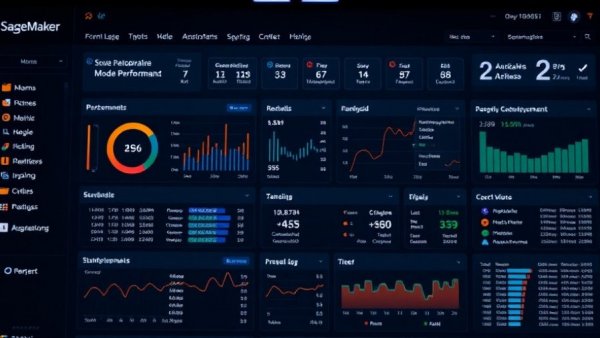
Airbnb's implementation of a rigorous evaluation system involves running various operational metrics through Amazon CloudWatch. By monitoring metrics such as latency, throttling, and token consumption, teams can fine-tune their models and ensure quality output, maintaining a balance between operational costs and productivity. These runtime signals are critical as they reveal how the coding agents perform in real-world scenarios versus controlled evaluations.
The Evolution of Model Release Strategy
In a competitive environment, rapid adaptation is key. Airbnb exemplifies this through their controlled rollout of coding agent models, where they closely observe cost implications against successful task completion rate post-launch. Following each new model release, the average user spend and production metrics are compared to predictions derived from evals. This post-launch feedback loop not only highlights which features require adjustment but also facilitates timely course corrections to model defaults based on actual operational data.
Future Trends in AI Model Management
With the rise of AI in various sectors, organizational leaders must stay attuned to the latest developments and best practices in model management. As Airbnb’s example demonstrates, employing systematic structures within AI operations provides significant fringe benefits such as cost efficiency, improved productivity, and enhanced decision-making abilities regarding AI model deployment. Companies aiming to embrace AI transformation should take note of Airbnb’s evaluation techniques and operational strategies, as these represent critical steps toward sustainable AI integration.
For organizations looking to enhance their AI capabilities, understanding the metrics that guide operational decisions and cost management is essential. If you're interested in how such systems can transform your business, click here to learn more.



Write A Comment