

AI's Dual Role in Software Security
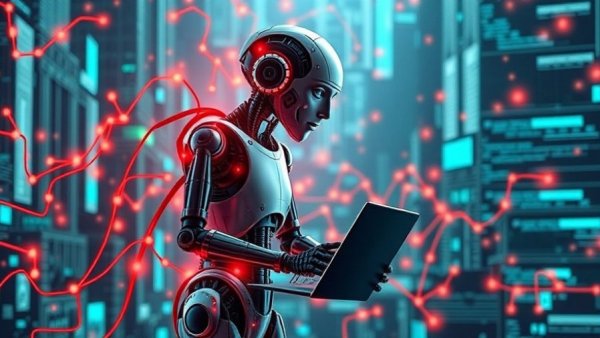
As frontier AI technologies proliferate, they bring a paradoxical shift to the realm of software security. While AI tools are empowering organizations to enhance their cyber defenses, they are simultaneously arming cybercriminals with capabilities that were once the domain of specialized experts. The speed and efficiency with which AI can process vulnerabilities mean that even low-skilled attackers can execute sophisticated cyberattacks. Executives must recognize this new landscape where the stakes are exponentially higher and adapt accordingly.
Transforming Cybersecurity Strategies
Organizations can no longer rely solely on traditional security protocols that focused on prevention. Instead, a shift towards proactive strategies that include AI analytics can help detect threats before they exploit vulnerabilities. Companies are encouraged to integrate AI-driven tools that can analyze patterns and predict potential breach attempts, adjusting security responses dynamically. Such an approach allows for faster incident response and better resource allocation. By viewing AI as a co-pilot in their cybersecurity strategy, executives can leverage its capabilities to strengthen their overall defense systems.
Building a Culture of Security Awareness
Beyond technology, fostering a security-first culture within organizations is paramount. Executives should prioritize regular training sessions and simulations that keep employees aware of evolving threats. Incorporating AI into these training modules can make the simulations more realistic and effective. As vulnerabilities evolve, so too must employee knowledge and readiness. A workforce that understands the methods of attack and the role AI plays in combating them becomes the first line of defense against potential breaches.
Collaboration and Transparency in AI Integration
In an increasingly complex cyber world, collaboration across departments is crucial. Executives need to ensure that IT, security, and other relevant teams work in tandem when deploying AI solutions. This collaboration should extend beyond organizational borders; sharing insights and strategies between firms can lead to building more robust defenses across the board. An open dialogue on the capabilities and limitations of AI within cybersecurity can demystify fears among employees and stakeholders alike.
Future Trends in AI-Driven Cybersecurity
The future of cyber defense will likely be dominated by AI solutions that not only detect threats but also automatically respond to them in real time. Innovations such as self-learning algorithms will play a pivotal role, adapting to new tactics employed by cybercriminals. As these technologies develop, executives must stay informed and agile, ready to implement new tools that utilize AI effectively. Engaging with vendors who are at the forefront of AI developments will be key to shaping a future-ready cybersecurity approach.




Write A Comment