

The Growing Importance of A+ Content in E-commerce
In the age of online shopping, A+ Content on Amazon product pages has emerged as a critical tool for brands seeking to engage customers and enhance their purchase decisions. This rich media widget allows brands, from global giants to independent startups, to showcase their unique value through a combination of text, images, and videos. Research indicates that high-quality A+ Content can uplift sales by 8–20 percent, highlighting its vital role in e-commerce success. However, with such potential comes the challenge of varying content quality, as not all brands have equal access to design resources or content creation expertise.
Understanding the Quality Evaluation Challenge
Evaluating A+ Content is far more complex than simply checking individual assets. Each project consists of numerous interactive components that contribute to an overarching narrative about the product. Traditional evaluation methods risk overlooking how these assets function collectively, as they often assess each one in isolation. This can result in a lack of coherence in messaging or visual appeal, ultimately confusing customers rather than guiding them toward informed purchasing decisions.
The Vision-Language Model Approach
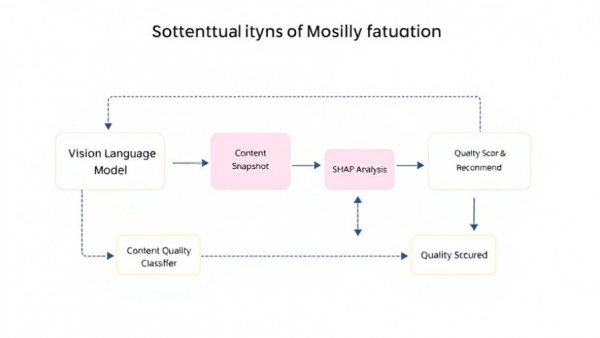
To address the challenges of assessing A+ Content holistically, Amazon has developed a multi-model fusion approach, incorporating cutting-edge Vision-Language Models (VLMs). By combining image encoders with large language models, Amazon can analyze the entire product detail page as a singular entity. Such evaluation mimics customers' perspectives and considers aspects like layout, context, and the relationship between different content modules. This revolutionary approach goes beyond scoring assets based on bland criteria like clarity or grammar, providing a nuanced analysis that considers the overarching narrative and customer interaction.
Transforming Insights into Actionable Recommendations
Assessment is only part of the solution. What truly drives high-quality A+ Content is the ability to translate evaluation results into actionable recommendations. Through personalized insights, brands can refine their content strategies, ensuring that their narratives resonate more effectively with potential customers. This could mean optimizing imagery for better alignment with text descriptions or even rethinking the layout to improve visual storytelling. The aim is clear: convert average content into compelling, user-friendly experiences that foster customer loyalty and drive sales.
The Future of AI in Content Evaluation
The integration of AI in content evaluation is just beginning to scratch the surface. As organizations continue to embrace these methodologies, we can expect significant advancements in how brands communicate with consumers. Over time, this could pave the way for enhanced content creation tools that empower brands to deliver consistent, high-quality narratives that reflect their unique value propositions effectively. The future holds immense promise, not just for individual brands, but for the entire e-commerce landscape, where storytelling will become increasingly personalized and dynamic.



Write A Comment