

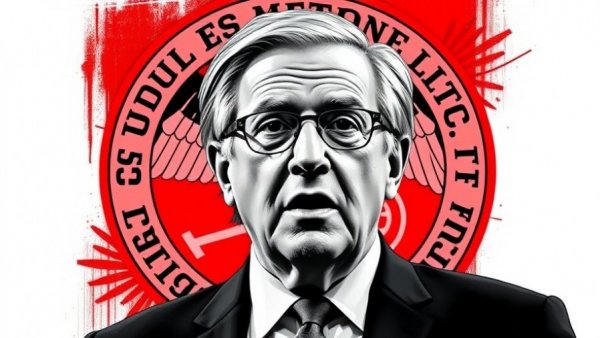
Recapping a Major Victory for Free Speech
The recent decision by U.S. District Judge Loren AliKhan blocking the Federal Communications Commission (FCC) from conducting an early review of ABC's broadcast licenses is a notable moment for free speech in the media landscape. It showcases the ongoing battle between regulatory agencies and media companies, particularly in the context of political content and the implications of governmental authority over media outlets.
Background: The Role of the FCC
The FCC is a government agency charged with regulating interstate and international communications by radio, television, wire, satellite, and cable. Its powers include renewing broadcast licenses, which are essential for media companies to operate. However, these powers are not limitless and must align with First Amendment protections. Judge AliKhan’s preliminary injunction reinforces the idea that such powers cannot be wielded as a means of retaliation against content choices that the government may find disagreeable.
Implications for Media and Content Creation
This ruling sends a strong message to broadcasters that they can create content free from fear of governmental repercussions. After the FCC's order for an early license renewal—which was issued closely after Donald Trump publicly criticized ABC for airing a skit about Melania Trump—the case highlights the intersection of politics and media rights. This ruling bolsters the stance that diversity in thought and expression in media should be protected from potential retaliatory actions by government agencies.
Potential Future Trends in Broadcasting
As this case unfolds, media leaders, including executives and decision-makers, should be prepared for broader discussions on content regulation and the role of federal agencies in compelling compliance from broadcasters. This incident could pave the way for more media companies to challenge government mandates that appear to infringe on free speech. The focus might shift towards not just compliance with broadcasting standards but also the right to create content without interference or fear of punishment.
What This Means for Executives and Decisions
For executives and senior managers within the media industry, this ruling serves as an important benchmark. It reinforces the need for companies to understand their rights under free speech provisions when engaging with government entities. Decision-makers should consider this ruling when developing their own content strategies, ensuring they remain both compliant with regulations while also fearless in their creative direction. This balance is crucial in a heavily scrutinized media environment.
Get Involved: Shaping the Future of Media Policies
As the landscape around media regulations evolves, it is imperative for industry leaders to stay informed and engaged. The outcome of this legal battle could influence future FCC policies and the operating environment for broadcasters. To actively contribute to shaping media policy or understanding the implications of this decision, executives are encouraged to explore the necessary steps moving forward. Join the conversation today about media freedom and regulations as part of ongoing strategic discussions.





Write A Comment