

Google’s Ambitious Leap into Space-Based AI
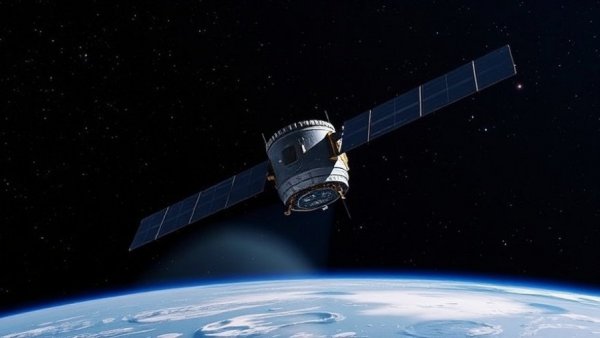
In a groundbreaking achievement, Google’s latest AI initiative has moved beyond Earthly confines, with the successful launch of its first prototype space data center satellite. Launched aboard a SpaceX Falcon 9 rocket on October 1, the satellite showcases Google's innovative capabilities in artificial intelligence, successfully generating a poetic haiku from orbit.
The Poetry from the Cosmos
After extensive commissioning, Google's engineering team powered on the satellite's onboard Tensor Processing Units (TPUs) for the first time. With a single prompt from eager engineers during a ground-station pass, the AI model, named Gemma 4, yielded the following creative output: "Blue marble below, Data streams in silent grace, Starlight feeds my core. ✨" This demonstrates the exciting potential of space-based AI applications, merging art with advanced computational tasks.
Technical Challenges and Future Tests
While the poetry is a poetic triumph, it doesn't denote a fully operational orbital data center just yet. The satellite remains an experimental platform, grappling with the challenges of extreme conditions in space. Its hardware is designed to generate one kilowatt of power but can only utilize one TPU at a time due to power constraints, operating for about 20 minutes before needing a recharge.
Next Steps for Google’s Space Initiative
Looking ahead, Google is not stopping with a single satellite; plans are underway for a second launch in 2027. This future spacecraft will feature enhanced power capacity and innovative optical links for inter-satellite communication, moving away from isolated AI processes. Such advancements could lead to complex networks of satellites working together to balance computational loads efficiently.
Potential Energy Solutions in Space
As AI demands for power grow, Google’s venture into space could hold sustainable solutions. Solar energy availability in orbit far exceeds terrestrial counterparts, potentially resolving many of the power challenges faced by AI infrastructure today. However, this comes at significant launch costs, as deploying the necessary hardware into space requires substantial investments.
AI and Business Strategy Insights
For executives and senior managers looking to integrate cutting-edge technology into their operations, Google’s space initiative presents a compelling case for exploration and adoption of AI. As we witness the convergence of AI and space technology, businesses should consider how such innovations can enhance their existing strategies, especially in industries that demand high-performance computing capabilities.
Conclusion: The Future Awaits
As Google fosters an environment where AI functionalities expand into new frontiers, companies should contemplate the potentials that lie in both AI and space exploration. For further discussions about how to integrate such innovations into your organization's strategy, connect with us. Let's explore how this groundbreaking exploration can enhance business productivity.



Write A Comment