

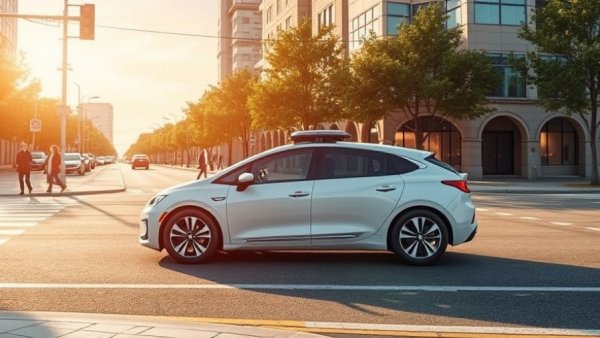
Shared Autonomous Mobility: A Surge Towards the Future
As cities across the globe eagerly embrace the era of shared autonomous vehicles (SAVs), the momentum is undeniable. The transition from the realm of science fiction to actual implementation is accelerating, prompting urban planners and operators to devise actionable strategies for deploying these cutting-edge technologies effectively. For executives and decision-makers, understanding this shift is critical to leveraging technological advances while ensuring profitability.
The Growing Need for Sustainable Urban Mobility
Urban spaces are facing challenges like congestion, pollution, and costly transportation systems. The integration of SAVs promises to alleviate some of these issues by offering efficient, eco-friendly transportation options. With electric vehicle (EV) technology becoming more widespread, including automated driving capabilities, cities can envision a future where public transport becomes more accessible and affordable.
Learning From Early Implementations
Case studies from cities like San Francisco and Phoenix highlight both the potential and challenges of integrating SAVs. Companies such as Waymo and Cruise have begun pilot programs that showcase the capabilities of autonomous technologies, often emphasizing performance metrics and user satisfaction. By examining these proof-of-concept examples, executives can gain valuable insights into operational benchmarks crucial for scaling their own initiatives.
Engagement with Legislators and Community Leaders
For a successful transition to shared autonomous mobility, engaging with local policymakers and community influences is essential. Their support can drive legislative changes necessary for the deployment of SAVs. Additionally, garnering community input ensures that these technologies meet the real needs of urban populations—focusing on safety, user experience, and accessibility will encourage widespread acceptance and usage among residents.
Scaling for Profitability: The Path Ahead
As operators grapple with the reality of scaling SAVs across multiple urban environments, profitably is key. Innovative business models, such as vehicle-as-a-service (VaaS), offer flexibility and can optimize the service's reach. Operators must analyze operational costs, rider acquisition, partnerships with local authorities, and the potential for integrated transit solutions in order to find paths toward profitability while enhancing urban transport networks.
Predictive Insights: Future Trends in Autonomous Mobility
The next decade will likely bring unprecedented technological advancements in autonomous driving. Predictive analytics powered by AI will revolutionize fleet management, offering real-time monitoring and optimization. Decision-makers must remain vigilant to adapt to these trends, aligning their strategic initiatives to capitalize on these technologies.
Shared autonomous mobility is not just a trend but a transformative wave that promises to redefine urban landscapes. For executives eager to stay ahead, understanding this phenomenon is essential. Explore how these technologies can be integrated into your business structures to foster innovation and operational efficiency.
For more tailored insights into how shared autonomous mobility can apply to your organization, consider scheduling a consultation here.





Write A Comment