

The Human Advantage in AI: Insights from Werner Vogels
The future of artificial intelligence (AI) is reshaping our understanding of technology's role in human capabilities. In a recent discussion, Amazon’s Chief Technology Officer, Werner Vogels, shared his vision for AI's trajectory leading into 2027 and beyond. His insights underline the dual necessity of enhancing human capabilities and ensuring that organizations can effectively manage these advanced technologies.
Predictions on the Interplay of Biology and Computing
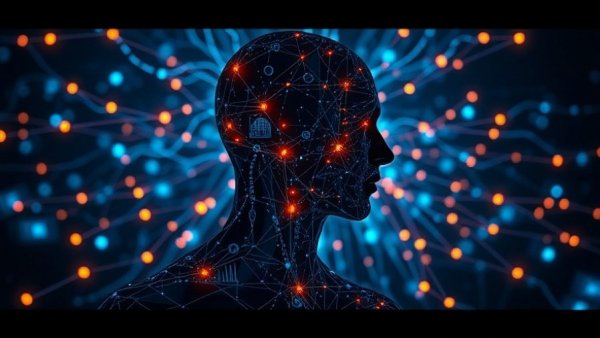
One of Vogels’ pivotal predictions involves the burgeoning intersection of biological systems and computing. He emphasized the insights that can be drawn from the human brain, which has evolved to synthesize memory, processing, and adaptation seamlessly. The emergence of brain-inspired computing seeks to adopt these principles to improve AI capabilities further.
This biotechnology perspective opens new avenues for efficiency, leading to the exploration of living neurons as computational material, the development of hardware that mimics neural behaviors, and software that optimizes memory by prioritizing useful information. Organizations aiming to leverage AI must contemplate these approaches to balance operational costs and the innate reliability of AI systems.
Securing AI: The Importance of Autonomy
In addition to biological computing, Vogels highlighted that AI systems need robust security measures. The concept of 'self-defending' systems is becoming crucial, where systems anticipate and counteract potential threats throughout their lifecycle. The challenge for decision-makers lies in understanding the security implications and investing in measures that safeguard data integrity while ensuring operational efficiency.
Sovereignty Considerations in AI Deployment
Vogels raised critical questions about sovereignty regarding AI system architecture: Who controls the data? How secure are these control measures? Decision-makers must navigate this landscape carefully, establishing clear accountability and transparency in data management. The push for sovereignty is reshaping the frameworks within which organizations operate, dictating design and operating models that align with legal and ethical standards.
The Role of Personalized Medicine in AI Development
Personalized medicine, driven by AI and machine learning, stands to revolutionize healthcare delivery. Vogels predicts that advanced AI tools will facilitate the development of individualized treatments, previously deemed economically impractical. This ‘N of 1’ approach could significantly lower research costs, allowing for a more tailored treatment landscape that enhances patient outcomes.
Interfaces Decoding Human Intent: A New Wave of Innovation
The future of AI interfaces promises to translate human intentions more accurately, reflecting the demand for technology that enhances human-like capabilities. Vogels believes that non-invasive interfaces could bridge this gap, providing accessible control mechanisms that democratize technology use. As organizations explore these advancements, the emphasis must be on dependable performance and user-centered design.
Conclusion
As organizations gear up for the future of AI, Vogels’ predictions shed light on the intricate relationship between advancing technology and preserving the human element. Balancing the economics of intelligence with the practicality of operation requires strategic foresight and continuous adaptation. Decision-makers must innovate while aligning their strategies with the ethical considerations that accompany these advancements.





Write A Comment