

AI's Dual Nature: Innovation and Risk
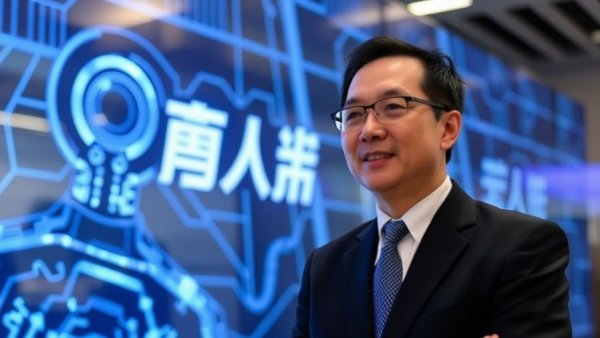
Tencent’s chief AI scientist, Yao Shunyu, has raised alarms about the potential biological risks associated with AI technologies, warning that they will soon rival concerns already seen in cybersecurity. Speaking at a recent science event in Hong Kong, Yao stated, "The cyber abilities of [AI] models and soon [the] biological abilities can potentially create significant risks." As AI systems become more advanced, it is crucial for leaders in digital transformation to recognize and strategize against these emerging threats.
Understanding the Threat Landscape
As AI tools evolve, their capacity for harm is no longer limited to digital realms. We are entering an age where AI models can potentially manipulate biological processes, from genetic engineering to drug development. This represents a critical juncture for businesses and organizations engaged in biotechnology and healthcare. Executives must understand that while AI offers innovative solutions, it can also unleash unpredictability that could disrupt not only markets but public health as well.
The Balancing Act: Innovation vs. Ethics
While the potential benefits of AI in fields like healthcare and biotechnology are immense, they must be weighed against ethical considerations. Yao’s insights echo those of many industry leaders who argue for a proactive approach in establishing robust ethical guidelines. This means prioritizing transparency and accountability in AI applications. Companies need to assess their AI strategies to ensure compliance with ethical standards and focus on developing systems that prioritize safety and efficacy.
Adopting a Forward-Thinking Approach
To mitigate risks while harnessing the power of AI, technology leaders must embrace a comprehensive framework for governance. This framework should integrate AI safety management into existing protocols within organizations. By doing so, companies can not only defend against biological risks but also continue driving innovation responsibly. Stakeholders should push for collaborative approaches that bring together technologists, ethicists, and regulatory bodies to create a sustainable future for AI technologies.
Future Predictions: Resilience and Responsibility
Looking ahead, we anticipate that companies will increasingly incorporate resilience strategies into their AI development plans. Those that succeed will balance innovation with a steadfast commitment to ethical practices, thereby reinforcing public trust. As the landscape becomes more intricate, organizations must invest in their understanding of AI technologies' implications—ensuring they are equipped to respond effectively to challenges that arise.
The time to act is now. As AI's capabilities advance, so must our strategies and frameworks to manage the associated risks. Engaging in dialogues about AI safety and ethics is essential for current and future leaders in digital transformation. Join the conversation.





Write A Comment