

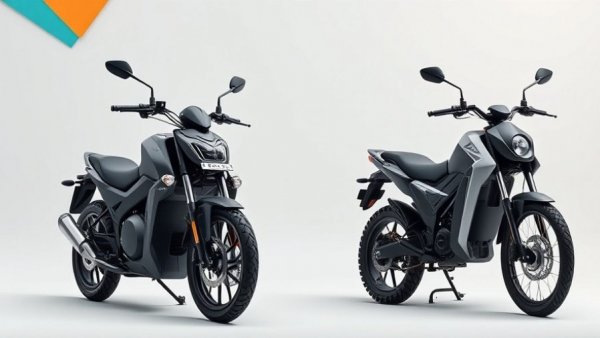
Understanding the Rising Popularity of Electric Micromobility
In recent years, electric bicycles (ebikes) and electric motorcycles (e-motos) have surged in popularity, especially following the pandemic, which introduced many to the convenience of two-wheeled transport. Sales have seen a significant increase as individuals seek alternatives to traditional cars amid rising costs and urban congestion. Ebikes, in particular, have positioned themselves as viable commuting options, offering a more affordable route to travel compared to increasingly expensive vehicles.
The Dual Nature of Electric Vehicles: Opportunities and Challenges
Despite initial booming sales, the market has also observed a downturn from two years ago, with bike manufacturers facing challenges. Concerning trends include rising injuries associated with riding, particularly among younger users—issues prompting legislative discussions around regulations. A significant source of confusion stems from the unclear distinctions between ebikes and their faster counterparts, e-motos. Often, consumers, including minors, can easily purchase these vehicles without fully comprehending the limitations or legal requirements.
Classifying Electric Bicycles: What You Need to Know
To demystify these vehicles, the American electric bicycle industry has adopted a three-class system to categorize ebikes. Class 1 ebikes operate via pedal assistance, ceasing to assist at 20 mph. Class 2 ebikes provide both pedal assist and throttle capabilities, allowing riders to reach speeds of up to 20 mph without pedaling. In contrast, Class 3 ebikes are equipped with more powerful assistance, ceasing at 28 mph.
Understanding these classifications is essential, as regulations vary by state. Most areas enforce age restrictions and helmet laws for Class 3 riders, making it crucial for potential buyers to familiarize themselves with local legislation before making a purchase.
Decoding the Power: Classifying E-Motos and Their Regulations
Unlike ebikes, e-motos—powered by motors over 1,000 watts—operated entirely on throttle rather than pedal assist, often resemble traditional motorcycles. They can reach speeds of 60 mph and, because of their power, typically require riders to obtain licenses and registration, paralleling the process for acquiring a motorcycle license.
This distinction is crucial for parents and young riders aiming for thrills without understanding the underlying laws governing operation on public roads. Some e-motos are marketed with misleading features such as operable pedals to bypass ebike classifications, further complicating the landscape.
Guidance for Consumers: Making Informed Decisions
When considering an ebike or e-moto purchase, understanding specifications such as motor wattage is vital. Entry-level models generally feature 250-watt motors suitable for commuting, whereas 500-watt and 750-watt variants are tailored for steeper terrains and more demanding riding conditions.
With some states elevating their licensing criteria, prospective buyers must stay informed about evolving regulations. This ensures not only compliance but a safer riding experience, particularly for families navigating the exhilarating yet potentially hazardous world of electric micromobility.
Looking Ahead: Future Trends in Electric Micromobility
The future of electric transportation looks promising, with consumer interest likely to grow as urban planning increasingly incorporates sustainable transport solutions. The evolution of battery technology and improvements in infrastructure could pave the way for a more integrated approach to micromobility, ensuring safety and user comfort.
Ultimately, knowledge is power. By understanding the distinctions between ebikes and e-motos, potential buyers can make informed choices that not only enhance their personal mobility but also contribute to broader sustainability goals.
As the landscape of electric vehicles continues to shift, staying attuned to changes in local laws and advancements in technology will be essential in navigating the exciting realm of electric micromobility.




Write A Comment