

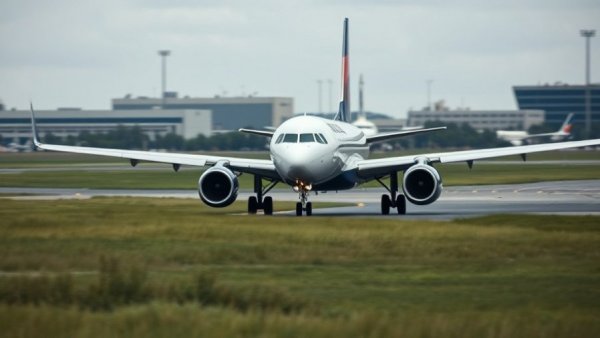
Delta’s System Outage: A Ripple Effect on Air Travel
On Sunday, all Delta flights in and out of Atlanta faced significant delays due to a malfunction in the airline's weight and balance system. This breakdown is particularly critical given that Hartsfield-Jackson Atlanta International Airport is Delta’s largest hub and ranks among the busiest airports globally. While the disruptions were initially contained to Delta, the potential for a growing ripple effect on other airlines looms large.
Interestingly, this incident follows closely after a national FAA outage last week, which resulted in widespread ground stops and thousands of canceled flights across the country. Such repeated disruptions raise concerns about the resilience of many airlines' operational systems, particularly in light of increasing passenger numbers and the need for seamless operations amid heightened scrutiny and competition.
The Importance of Weight and Balance Systems
The system that has failed is integral for flight safety. It calculates the total weight of an airplane, which includes various crucial elements such as the airframe, fuel, passengers, and baggage. Determining the aircraft’s center of gravity and ensuring even weight distribution are paramount for safe flights. With Delta teams resorting to manual workarounds to facilitate departures while the automated systems are being restored, this raises significant questions about operational effectiveness during technical failures.
Impact Beyond Delta: The Broader Implications for Airlines
Despite this incident being specific to Delta, the interconnected nature of air travel means that delays can easily cascade to other airlines, especially at busy hubs like Atlanta. The potential for a domino effect underscores the necessity for airlines to bolster their contingency plans. Business executives, senior managers, and decision-makers across industries must take note: investing in technology and infrastructure resilience is no longer optional but essential in today’s unpredictable environment.
Future Insights: Reinventing the Tech Backbone of Airlines
As airlines grow increasingly reliant on technology for operations, the need to adopt robust systems that can withstand outages is imperative. Innovations in AI and machine learning could be avenues for enhancing these systems. Such implementations could provide additional safeguards and ensure operational continuity during unforeseen failures, thereby improving both efficiency and safety for airlines.
Take Action: Understand Your Role in Technological Resilience
As professionals across various sectors, understanding how technological failures can ripple through interconnected systems is vital. This situation emphasizes the necessity for comprehensive risk assessments and innovative strategies that can help mitigate potential disruptions. For insights on integrating AI into your organizational strategy, consider engaging in conversations that can yield actionable insights and peer benchmarks.
Join the conversation and explore how to bolster your organization’s resilience through smarter technology integration today!





Write A Comment