

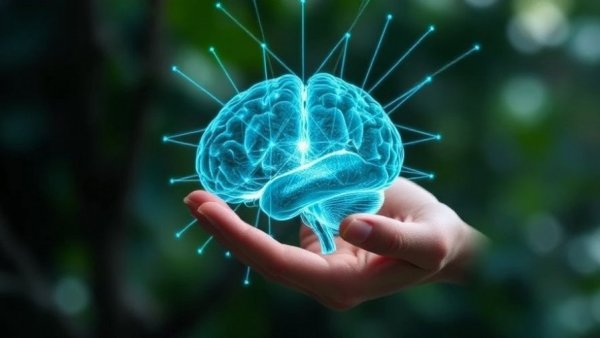
The Road to Cognitive Immortality: A New Frontier in Technology
In an age where technology continuously reshapes how we understand life and mortality, the quest for cognitive immortality finds itself at the forefront of scientific discourse. This ambitious pursuit focuses on efforts by technologists to ensure the continuity of the self, even beyond the confines of death. A recent roundtable discussion, featuring MIT's renowned editors Mary Beth Griggs and Antonio Regalado, delved deeply into some of the most intriguing methodologies proposed for preserving our minds—from gradual brain replacement to the complex notion of uploading memories to the cloud.
Gradual Brain Replacement: A Step into the Unknown
One approach discussed is the concept of gradual brain replacement. While this might sound like something out of a science fiction novel, advancements in biotechnology could make it plausible. The idea posits that individual neurons could be replaced incrementally, allowing for a seamless transition of consciousness. This could potentially eliminate the daunting fear many have regarding complete cognitive loss. Supported by ongoing neuroscience research, the implications for enhanced longevity and mental continuity could be revolutionary, paving the way for a future where seamless transitions of memory and consciousness might be commonplace.
Exploring the Prospects of Memory Uploading
Another prominent theme in the discussion was the tantalizing idea of uploading our memories to the cloud. While this may conjure images of cyborgs and artificial intelligence, it is grounded in evolving technologies that are rapidly improving our understanding of brain functions. Companies are exploring how neural mapping could facilitate the digitization of our thoughts and experiences, an endeavor that is both fascinating and fraught with ethical implications. Such technology would enable us not only to store our memories indefinitely but also to potentially interact with them in entirely new ways.
Risks and Ethical Considerations
While the prospect of cognitive immortality is exhilarating, it also demands careful consideration of the ethical ramifications surrounding these technologies. Concerns about identity, privacy, and the very nature of humanity arise as we delve deeper into these capabilities. For executives and decision-makers, understanding these nuances is crucial in navigating the future landscape of technology adoption. Conversations surrounding the implications of AI and biotechnology, especially concerning personal data, privacy, and ethical boundaries, will define how society accepts and integrates these advancements.
Preparing for the Future: Actionable Insights for Leaders
As we stand on the precipice of these extraordinary possibilities, executives across industries must grasp the implications of cognitive immortality concepts for their organizations. The ability to leverage cutting-edge technology not only in enhancing productivity but also in human development and ethical leadership will distinguish forward-thinking companies from their competitors. Engaging in these discussions can help leaders foster a culture of innovation while addressing the legitimate risks involved.
Conclusion: A Call to Explore New Frontiers
The exploration of cognitive immortality is more than a scientific novelty; it raises profound questions about existence, identity, and the future of humanity. As technology advances, so too must our conversations about its implications. Leaders are encouraged to engage with these ideas actively, to stay ahead in a rapidly changing landscape. For those invested in innovation and strategy, there’s no better time than now to explore these themes further.
To continue these significant conversations and gain deeper insights into the future of technology and cognition, please join us in an engaging discussion that could redefine your approach to technology and leadership.




Write A Comment