

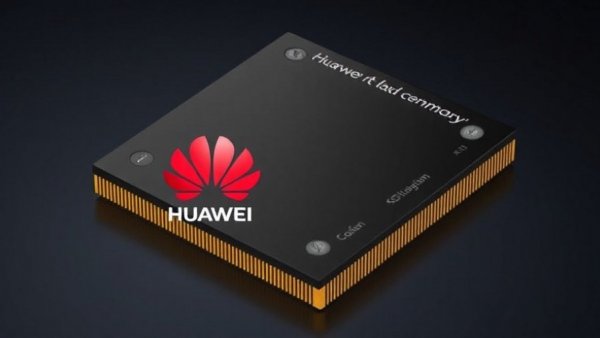
Huawei's Bold Move in High-Bandwidth Memory Design
Barred from acquiring superior foreign memory technology, Huawei has unveiled an innovative AI memory design that could redefine the sector. The Chinese telecommunications giant recently announced plans for a high-bandwidth memory (HBM) architecture featuring a staggering 4,096 data pins arranged across 64 channels. This new design purportedly doubles the data lanes of its competitors Samsung Electronics and SK Hynix, a provocative claim that could shift the competitive landscape in memory technology.
Understanding the Technical Advantage
This ambitious memory architecture, detailed in a research paper scheduled for presentation at the upcoming IEEE International Solid-State Circuits Conference (ISSCC) in February 2027 in San Francisco, could dramatically improve data transfer rates between memory and AI processors. However, it is important to approach these claims with caution as Huawei has not yet demonstrated the feasibility of commercial production of these advanced memory designs.
The Context of China's Memory Supply Challenges
The motivation behind Huawei's push for advanced HBM is rooted in significant external pressures: US export restrictions have barred companies like Samsung and SK Hynix from supplying high-performance memory to Chinese firms. This limitation has intensified the urgency for Huawei to develop domestic solutions. The company's Ascend processors symbolize a strong alternative to Nvidia's hardware in China, but the ongoing constraints in memory access impede its progress. Moving towards homegrown HBM could potentially alleviate this bottleneck while enhancing national technological autonomy.
The Task Ahead: Manufacturing Challenges
While the technical specifications of Huawei's design may be impressive, there are numerous hurdles to overcome in manufacturing. Achieving reliable production yields and managing heat in densely packed designs are critical challenges that will determine the viability of this memory technology. Furthermore, the shortage of advanced extreme ultraviolet lithography—essential for manufacturing cutting-edge chips—continues to pose a significant obstacle for companies in China.
Implications for AI System Developers
As Huawei gears up for its February presentation, infrastructure teams and decision-makers should closely monitor the reported metrics of bandwidth, memory capacity, and power consumption. These key performance indicators will inform decisions about how effectively the memory can support various workloads and fit within existing server power constraints. A specialized architecture often necessitates aligned hardware-software design, which may limit deployment capabilities to specific Huawei hardware, impacting broader adoption across legacy systems.
Looking Forward: The Future of Memory in AI
For businesses navigating the AI landscape in China, the successful volume production of domestically developed HBM could ease reliance on restricted imports while fostering innovation. In a sector characterized by rapid advancements, the implications extend beyond individual companies: the development of sovereign technology capabilities contributes to national security and economic stability.
This pursuit is reminiscent of historical moments in technology when barriers fostered unexpected innovation. As we anticipate the technology shifts of tomorrow, it is crucial for industry leaders to keep abreast of Huawei’s developments and their impacts on AI integration strategies.
If you're looking to streamline your organization's transitions to artificial intelligence and technology integration, join our discussion at this forum, where ideas and actions come to life.





Write A Comment