

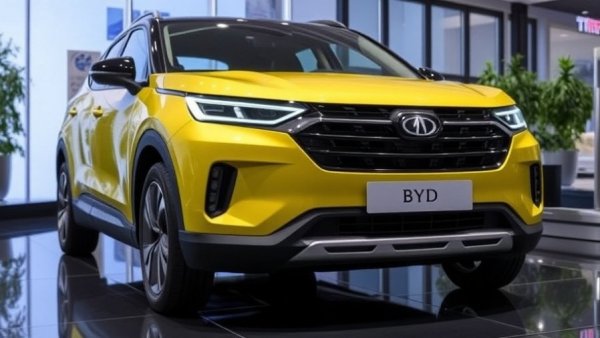
BYD's Strategic Move into France: A Closer Look
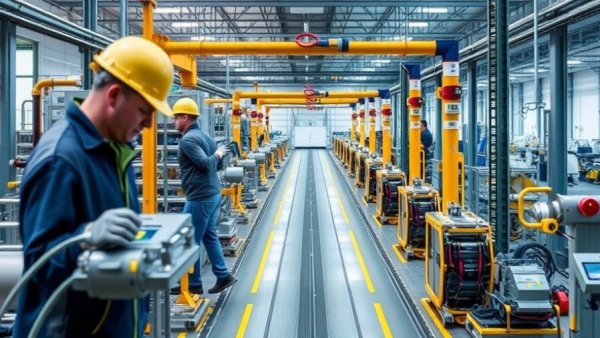
In an exciting turn of events for the electric vehicle landscape in Europe, BYD, the Chinese automotive powerhouse, has initiated exclusive discussions to acquire Ineos Automotive’s car production facility in Hambach, France. This acquisition marks a significant step for BYD, as it seeks to bolster its manufacturing footprint on the continent. This factory, previously known for producing the Mercedes Smart models, would serve as BYD's second manufacturing plant in Europe, bolstering its operational capabilities to meet growing demand for electric vehicles amidst the intensifying competition in the market.
Context and Consequences of the Ti7 Ruling
The timing of BYD's plant acquisition talks coincides with a pivotal legal setback—the recent Dutch court ruling that prohibits the sale of BYD’s Ti7 SUV in the EU. The court ruled that the Ti7 infringes on the design of Jaguar Land Rover's iconic Defender model. This legal challenge not only underscores the complexities of entering the European automotive market but also amplifies the strategic importance of vertical integration for BYD's European ambitions.
Legal Challenges and Market Dynamics
This development highlights the challenges that Asian automakers, including BYD, face regarding intellectual property rights in Europe. This ruling may serve as a wake-up call for other electric vehicle manufacturers eager to tap into the robust European market. The competition is fierce, with established players like Tesla, as well as traditional manufacturers, ramping up their electric models. Understanding local regulations and intellectual property intricacies is essential for the success of newer entrants.
Future Prospects and BYD’s Growth Strategy
BYD's pursuit of a manufacturing facility in France signals more than just market expansion; it reflects a larger trend of globalization in the electric car sector. With Europe setting ambitious carbon neutrality goals for 2050, the demand for electric vehicles is expected to skyrocket. By establishing a manufacturing hub within the EU, BYD can enhance its logistics and cut down on import tariffs, allowing for more competitive pricing and potentially faster market penetration.
Broader Implications for the European Automotive Market
The potential acquisition of the Ineos plant could have broader implications for the local economy, creating jobs and encouraging technology transfer in electric vehicle production. As BYD expands, it may inspire other Chinese manufacturers to follow suit, thereby reshaping the competitive landscape of the European automotive industry.
Conclusion: Moving Forward Amidst Challenges
As BYD navigates the complexities of legal challenges and market dynamics, its commitment to establishing a foothold in Europe becomes increasingly apparent. Executives and businesses keen on understanding the evolving technological landscape should keep a close watch on BYD's next steps in the European market. With electric vehicle adoption accelerating, the implications for trade protectionism, intellectual property developments, and sustainability are profound. Stay ahead of the curve and engage in further discussions on how your company can adapt to these transformative industry shifts.
For more insights on navigating these changes, connect with us today.




Write A Comment