

Arista Networks: Pioneering the Future of AI Distributed Inference
As the landscape of artificial intelligence (AI) continues to evolve, Arista Networks is strategically positioning itself at the forefront of this transition. With an increasing focus on distributed inference, it’s evident that the both hardware and networking components are just as crucial as the software algorithms driving AI solutions. This pivot by Arista at the SC26 conference reflects a broader necessity to address latency, sovereignty, and resource optimization in AI operations.
Understanding Distributed Inference: Why It Matters
The concept of distributed inference in AI entails processing information dynamically across multiple locations rather than relying exclusively on centralized data clusters. Brendan Gibbs, Arista’s AVP of product line management, succinctly captures the shift by noting that as AI becomes more complex, particularly with tasks such as nuanced chatbots and multi-step problem-solving, the requirement for enhanced network infrastructure becomes paramount. This isn’t just a technical adjustment; it’s a fundamental change in how AI is deployed and managed.
Key Drivers Behind the Shift to Distributed Inference
Several factors influence the momentum toward distributed inference:
- Latency: Quick responses are essential for certain AI functions, especially those involving real-time data processing. Centralized systems can suffer from delays as requests are sent to and processed by remote servers.
- Sovereignty: As regulatory environments tighten, particularly in regions like Europe, the pressure mounts to keep data within borders, making localized processing increasingly appealing.
- Resource Efficiency: Companies are maximizing existing infrastructure, deploying AI where the capacity allows, which in turn challenges traditional views of data handling.
The Role of Networking Technology in AI’s Evolution
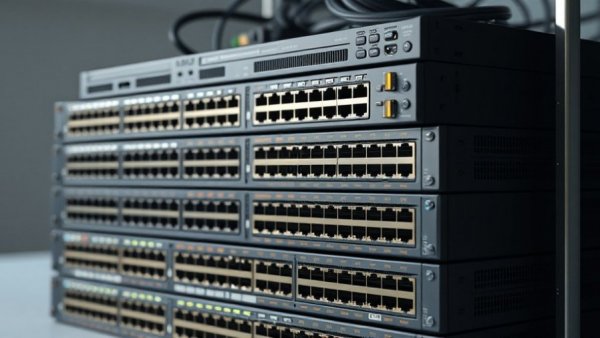
Arista’s new Etherlink R4 routing platforms signify a strategic enhancement to support distributed AI. Notably, their compact routers are designed for efficiency and cost-effectiveness, allowing organizations to obtain advanced networking capabilities without investing in prohibitively expensive infrastructure. This situational awareness in market needs is crucial, especially given the unpredictability of future traffic demands as AI adoption expands.
Investment Protection in AI Infrastructure
One significant advantage of Arista’s offerings is their focus on longevity and adaptability. Featuring robust 400G uplinks, these routers are positioned not just for immediate needs but are designed with future scalability in mind. This forward-thinking approach ensures that businesses can adapt sans the headache of extensive hardware upgrades, which can be costly and disruptive.
Conclusion: The Road Ahead for AI Networking
In aligning its product strategy with the future demands of AI infrastructure, Arista Networks exemplifies proactive innovation. By focusing on the nuances of distributed inference, the company is not only enhancing the performance of AI applications but also addressing overarching industry concerns surrounding latency, security, and resources. For executives and decision-makers navigating this complex landscape, understanding these shifts will be integral in crafting adaptive AI strategies that are resilient and forward-looking.





Write A Comment