

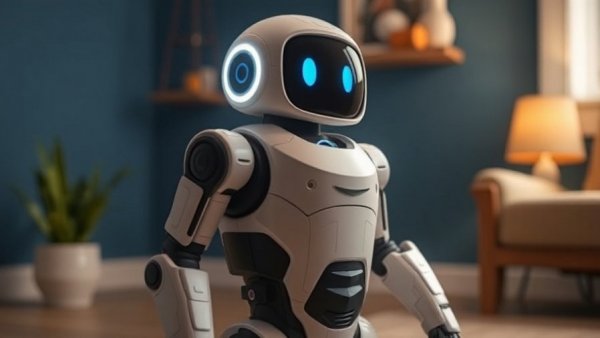
Amazon’s Renewed Vision for Home Robotics
In an attempt to reclaim a coveted niche in the home robotics market, Amazon is mobilizing resources to create a second generation of robotic companions, building on the lessons learned from the less-than-stellar reception of Astro. The retail giant has assembled a dedicated team, although specific details regarding the design, functionalities, price, and launch date remain shrouded in mystery. Insights gleaned from recent job postings indicate that the next home robot aims for seamless integration into family life, learning from Astro’s challenges.
The Path Forward: Fauna Robotics Alliance
This new endeavor is buoyed by Amazon’s acquisition of Fauna Robotics, a company that specializes in humanoid robot development. The Sprout Creator Edition, currently positioned at $50,000, is tailored more for research and development rather than the consumer space. Nonetheless, it showcases crucial features like a soft exterior and motor controls that yield to outside forces, aimed at ensuring safety around humans.
While this level of risk reduction is encouraging, it raises questions about what consumers can expect from this evolving product line. As Amazon plans to merge the multidisciplinary expertise from Fauna with their existing robotics knowledge, it's evident that the lessons learned from Astro about functionality and user experience are at the forefront of this new project.
The Rise and Fall of Astro
Astro debuted in 2021 as a sophisticated wheeled robot, incorporating Alexa and mobile home monitoring functionalities. However, its high cost—initially priced at $1,449.99—coupled with mixed reviews and limited functionality meant it fell flat in real-world application. Reportedly, Astro shipped to only a handful of invitation-only customers, leaving many potential buyers feeling alienated by the price tag, especially when the concept of a robot in the home conjured visions of much broader capabilities.
The experiences of existing Astro customers paint a telling picture. While some users, like Emily Lugo Velez, found utility in checking on pets and appliances, many others viewed it as a costly novelty. This sentiment was echoed across various Astro owners' forums, where complaints about customer service and lack of support illustrated the uphill battle Amazon faces with consumer confidence in its robotics divisions.
The Challenge of User Trust in Domestic Robotics
Trust remains a critical barrier for home robots. As Amazon embarks on this new journey, it must prioritize the intricacies of user interaction, ensuring the devices not only perform tasks effectively but also foster meaningful relationships within the home. Initiatives focusing on how these devices earn trust and communicate intentions will be pivotal. Job ads reveal Amazon is already engaging in designing user experiences centered around these elements.
Looking Ahead: Opportunities and Consumer Integration
As the landscape of home automation continues to evolve, businesses must look to successful models that demonstrate consumer readiness for widespread robotics adoption. Integrating advanced AI capabilities into home robotics can streamline everyday activities, transforming how families navigate daily chores. For companies keen on keeping ahead in the technology sector, fostering these innovations will be critical.
Furthermore, the development of user-friendly automation not only represents a valuable business opportunity but also aligns with future innovations in AI integration that cater to home environments. Consumers are increasingly attuned to how technology can be harnessed to simplify lives—understanding this demand will be vital as Amazon seeks to bolster its foothold in the market once dominated by classic household conveniences.
In conclusion, as Amazon gears up to unveil its next home robot, its success will hinge on bridging the gap between technological capability and customer satisfaction. Those in leadership positions across industries should take note—this journey showcases the importance of learning from past failures and emphasizes the need for a customer-oriented approach in all technological advancements.
To learn more about how to implement advanced AI in your business practices, consider checking out expert insights and discussions at the provided link.




Write A Comment